
Omni channel marketing is not a practice, but the creation of a mindset. It is a brand experience created to reach the target audience across as many marketing channels as possible.Google reports that 90% of consumers move between devices and channels when making a purchase.These marketing channels include: websites, email, social media, print, aerial advertising, mobile apps, the physical store or even a catalog via devices such as phones, laptops, TV. Hence, it becomes necessary to integrate these channels with the devices to create a smooth brand omni channel experience.
The reason why Omni Channel marketing has evolved as an extremely scientific and mathematically lucrative method is because of the emergence of predictive analytics technology as well as the ability to leverage customer data. The infographic from Neustar underscores my opinions on the advantages of omni channel marketing. According to the infographic, 40% of the companies sampled, stated that omni-channel marketing is important to their companies and 78% of the businesses realize the importance of omni channel marketing in today’s world.
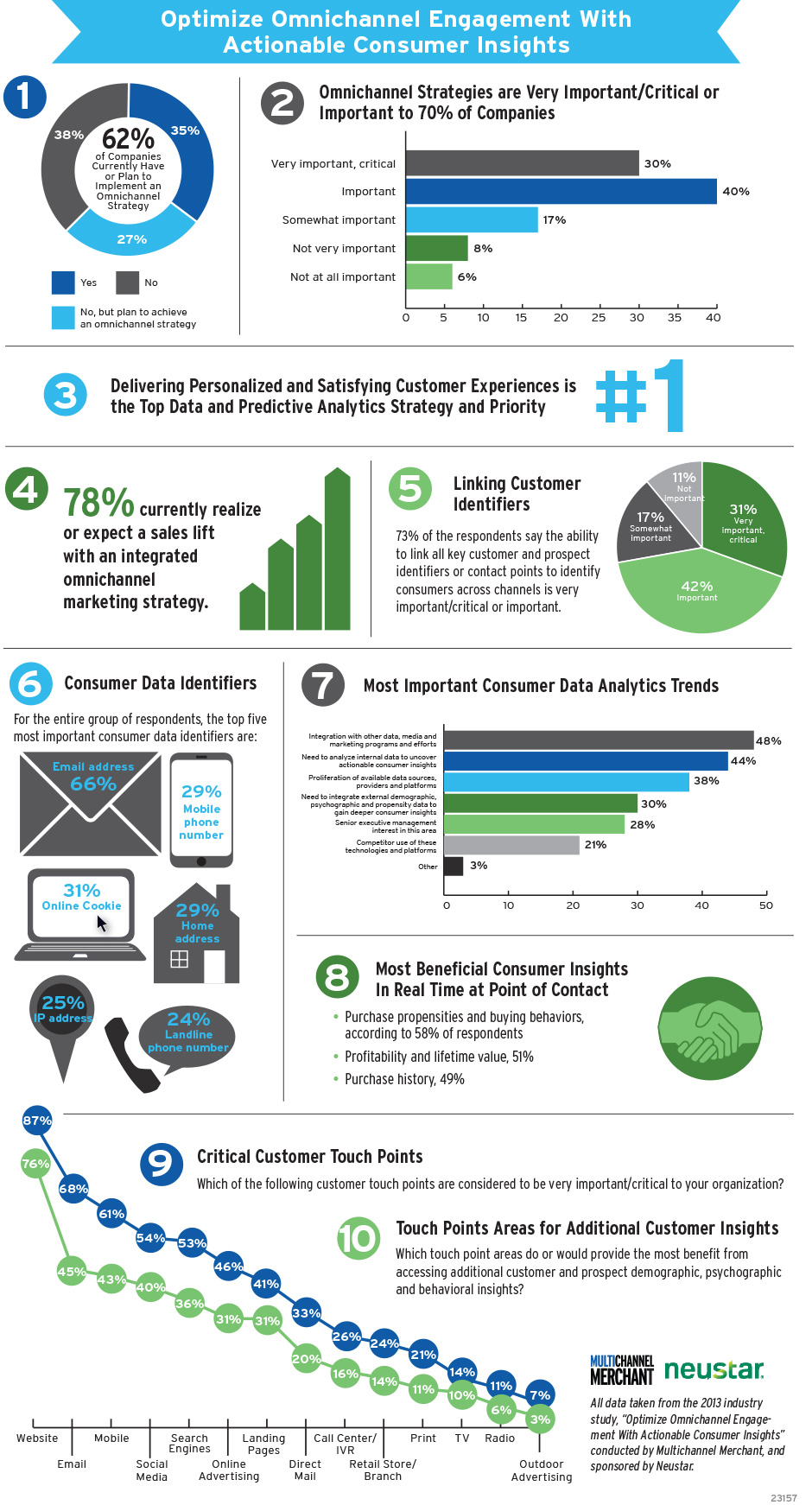
Omni channel is not the same as multichannel.
Multichannel experiences are what most businesses currently employ in their marketing strategies. These businesses have a website, blog, social media profiles, and other traditional channels for marketing and sales. These are all used to communicate, educate, and market to their current customers and potential new leads.The problem is that these channels are often used separately, and can lack unity and consistency as a result. There is no seamless experience for the target audience.That is where an omni channel experience can improve on multichannel. Omni channel strategies take into account all devices, platforms, and contexts of the customers experience. These insights are then integrated with several marketing platforms to create an omni channel marketing experience.
To understand the concept of omni channel marketing, let’s study an example to help us understand the concept better and dissect its positives and negatives as well as how innovative this concept is.
Apple is the first company that popped in my mind as the perfect example of creating a unique, omni channel marketing experience. When we use an Apple laptop , find the product online, or walk into an Apple store, we know exactly what your experience is going to be – a sleek, simple, classy experience. The feel of the brand is seamless across the different channels and that’s what makes it a pioneer of omni channel marketing.
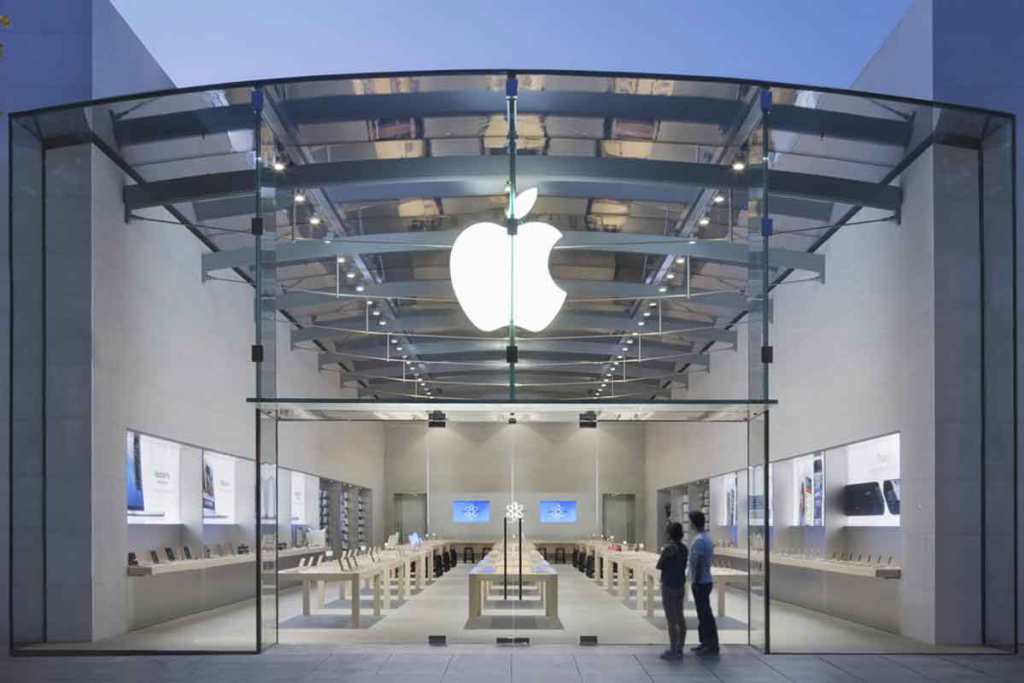
According to Invoca, there are four pillars of omni channel marketing: visibility, measurement, personalization and optimization.
Visibility: Marketers need to focus on the right set of tools that allow them to have complete visibility into the entire customer journey — From first interaction to completed sale, and everything in between.
Measurement: Give proper credit where credit is due, to optimize your marketing efforts, and to provide a one-to-one, personalized customer experience.
Personalization: Integrate online and offline behaviors into your automation tools to create the most successful omni channel customer experience.
Optimization: Optimize marketing with complete insight into the online and offline impact to make more powerful optimizations and smarter decisions.
Hence, Omni channel marketing is innovative because it has transcended beyond multi channel marketing due to the complex behavior of the target audience who constantly switch devices and consume the same data from different media. The pluses for an omni channel marketing strategy cannot be over emphasized, the advantage it that helps create a brand for the company and position it in a unified manner in the minds of the consumer.I cannot think of any disadvantage other than a cost implication for the brand. Companies have to now spend a ton of money on creating brands that project the same image in the stores , on the apps , on the website or even the catalog- it is all about enhancing the brand experience, but with a price tag, is it worth it? Yes, of course. It is not a fad, it is a concept with solid, steel foundation and must be understood and implemented correctly by marketers. I would highly recommend creating this omnipresent omni channel marketing experience, because every great brand that projects itself as a culture and not a company is creating this smooth transition experience – be it Starbucks, Anthropologie or even Amazon.
 Bhavini Khullar
One thought on “The Omnipresent Omni-Channel Marketing”